Kenya’s reputation as one of Africa’s leading avocado exporters is built on a specific set of growing regions — mostly concentrated in the central highlands and around the slopes of Mount Kenya — where altitude, climate and soil combine to produce export-quality Hass and Fuerte fruit. Understanding where these regions are, and what makes each one suitable for avocado farming, helps explain why Kenya’s supply chain is structured the way it is.
What Makes a Region Suitable for Avocado Farming
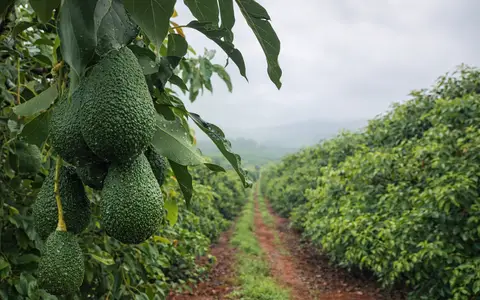
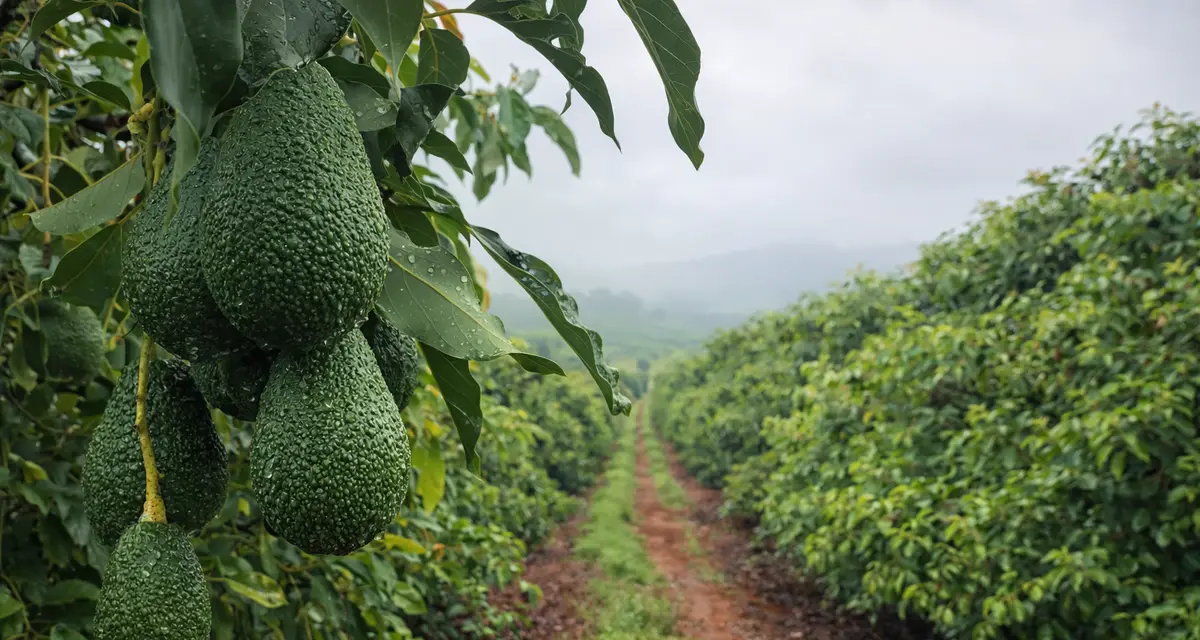
Avocados, particularly the Hass variety that dominates export markets, do best in cool, high-altitude environments with reliable rainfall and well-drained, often volcanic soils. This is precisely the profile shared by Kenya’s central highlands and the slopes of Mount Kenya, which is why so many of the country’s leading growing counties cluster in this part of the country rather than in the hotter lowlands.
Kenya’s Leading Avocado Growing Counties
Murang’a
Murang’a County, including areas such as Kandara, Kangema and Maragua, is one of Kenya’s top Hass avocado-growing regions. Its cool highland climate and well-drained volcanic soils support a dense network of smallholder and cooperative farms, and its location roughly 1.5 to 2 hours from Nairobi by road keeps it well connected to export packhouses.
Kiambu
Kiambu County borders Nairobi to the north and supports both Hass and Fuerte production in its high-altitude, high-rainfall zones around Limuru, Kiambaa and Gatundu. Its proximity to Nairobi — many farms are within an hour’s drive of JKIA — makes it one of the fastest farm-to-packhouse routes in the country.
Nyeri
Nyeri County, in the central highlands, shares the same high altitude and reliable rainfall that support its well-known coffee and tea industries. Hass avocados from Nyeri are known for good size and dry matter development, with farms typically 2 to 3 hours by road from Nairobi.
Kirinyaga
Kirinyaga County sits on the fertile southern slopes of Mount Kenya, where volcanic soils and reliable rainfall support strong Hass avocado yields alongside the county’s established rice and coffee farming. Fruit from Kirinyaga is generally favoured for good size and quality, and farms are typically around 2 hours from Nairobi.
Meru
Meru County spans the eastern and northern slopes of Mount Kenya and has seen rapid growth in commercial and smallholder Hass avocado farming in recent years. Its high altitude, volcanic soils and favourable rainfall make it well suited to the variety, though at roughly 4 to 5 hours from Nairobi, careful cold chain handling matters more for fruit sourced from this region.
Nakuru
Nakuru County, in the Rift Valley highlands, has become a growing source of export-grade Hass avocados, supported by its established horticulture and floriculture sectors and varied altitude across the county. Farms here are typically 2.5 to 3.5 hours from Nairobi by road.
How These Regions Connect to Export
Avocados grown across these counties are not exported directly from the farm. Instead, harvested fruit travels by road to packhouses based in or near Nairobi, where it is washed, graded, packaged and prepared for dispatch. Nairobi and the JKIA corridor function as the central hub where fruit from all these growing counties converges before reaching international buyers — Nairobi itself is not a significant growing area, but its position at the centre of the road network and beside Kenya’s main cargo airport makes it the natural processing and dispatch point for the country’s avocado export industry.
| County | Region | Distance to JKIA |
|---|---|---|
| Murang’a | Central highlands | ~85 km |
| Kiambu | Central highlands (Nairobi-adjacent) | ~30 km |
| Nyeri | Central highlands | ~150 km |
| Kirinyaga | Mount Kenya (southern slopes) | ~110 km |
| Meru | Mount Kenya (eastern/northern slopes) | ~280 km |
| Nakuru | Rift Valley highlands | ~160 km |
Sourcing Across Kenya’s Growing Regions
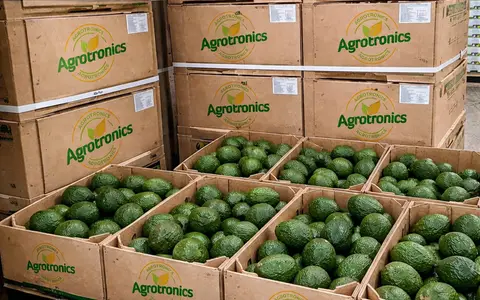
Agrotronics Horticulture sources avocados from vetted farms across these counties as part of our certified supply network, bringing harvested fruit to our packhouse near JKIA for processing ahead of export. Working across multiple growing regions also helps smooth out seasonal and weather-related variation between counties, since altitude, rainfall patterns and harvest timing can differ even within Kenya’s central highlands.
For exporters and buyers alike, understanding the geography behind Kenya’s avocado supply — and the varieties grown across these regions — provides useful context for evaluating both seasonal availability and the consistency of supply that sourcing across several counties can provide.