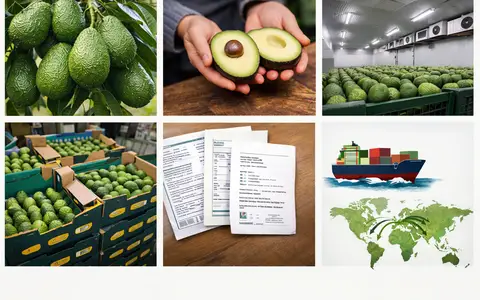
Every avocado consignment leaving Kenya must travel with a specific set of documents before it is allowed to clear customs and be accepted by the destination market. Missing or incorrect paperwork is one of the most common — and most avoidable — causes of delays at the port of exit. This checklist outlines the core documents every exporter, broker or first-time shipper should have in order before a shipment moves.
1. KEPHIS Phytosanitary Certificate
The phytosanitary certificate is issued by the Kenya Plant Health Inspectorate Service (KEPHIS), Kenya’s national plant health authority. It confirms that the consignment has been inspected and found free of regulated pests and diseases, and it is required by virtually every destination country as a condition of entry. For a full explanation of what this certificate covers and why it matters, see our KEPHIS phytosanitary certificate guide.
2. Certificate of Origin
The Certificate of Origin verifies that the avocados were grown and packed in Kenya. It is often required by destination customs authorities to apply correct tariff treatment, particularly where trade agreements between Kenya and the importing country or region affect duty rates. This certificate is typically issued through Kenya’s chamber of commerce network or other authorised issuing bodies.
3. AFA Compliance Documentation
The Agriculture and Food Authority (AFA) regulates horticultural exports from Kenya and requires exporters to be registered and compliant with its export procedures. Documentation demonstrating AFA compliance — such as registration status and adherence to export regulations for horticultural produce — is a standard part of the export file. Read our guide on AFA licensing requirements for avocado exporters for more detail.
4. Commercial Invoice and Packing List
Every shipment needs a commercial invoice, which records the transaction value, buyer and seller details, and quantity of fruit being exported, alongside a packing list that itemises how the consignment is packed — number of cartons, carton weights, and pallet configuration. Customs authorities on both ends of the shipment use these documents to verify the declared contents match what is physically shipped.
5. Customs Export Entry
Before the consignment can leave the country, a customs export entry must be lodged with the Kenya Revenue Authority, declaring the goods, their value and their destination. This is usually handled through a licensed clearing agent or freight forwarder working alongside the exporter, and forms the official record that the goods have legally exited Kenya.
6. GLOBALG.A.P Certification Records (Where Required by the Buyer)
While not a customs requirement in the same way as the documents above, many international buyers — particularly European supermarkets — require proof of GLOBALG.A.P certification for the farms supplying the fruit. Exporters should keep this certification documentation on file and ready to present alongside the shipment paperwork when requested by buyers.
Putting the Checklist Together
| Document | Issued By | Purpose |
|---|---|---|
| Phytosanitary Certificate | KEPHIS | Confirms fruit is pest and disease free |
| Certificate of Origin | Chamber of Commerce / authorised body | Confirms Kenyan origin for customs/tariff purposes |
| AFA Compliance Record | Agriculture and Food Authority | Confirms exporter is registered and compliant |
| Commercial Invoice & Packing List | Exporter | Records transaction value and shipment contents |
| Customs Export Entry | Kenya Revenue Authority (via clearing agent) | Legal record of export |
| GLOBALG.A.P Certificate | Certification body | Confirms farm-level food safety compliance (buyer-driven) |
Exporters who work with an experienced export documentation and compliance partner generally find the paperwork far easier to manage, since recurring shipments follow a consistent, well-tested process.
Getting documentation right is not just a customs formality — it is what allows fresh, perishable fruit to keep moving without delay. A consignment held up at the border for missing paperwork loses shelf life and value with every extra day in transit, so building a reliable documentation process is one of the most important operational habits an avocado exporter can develop.