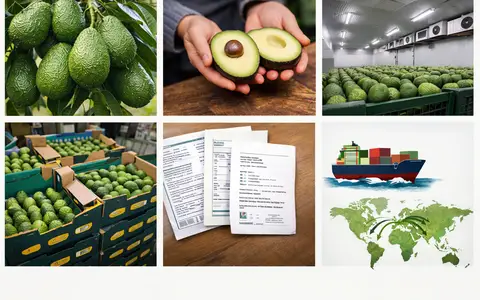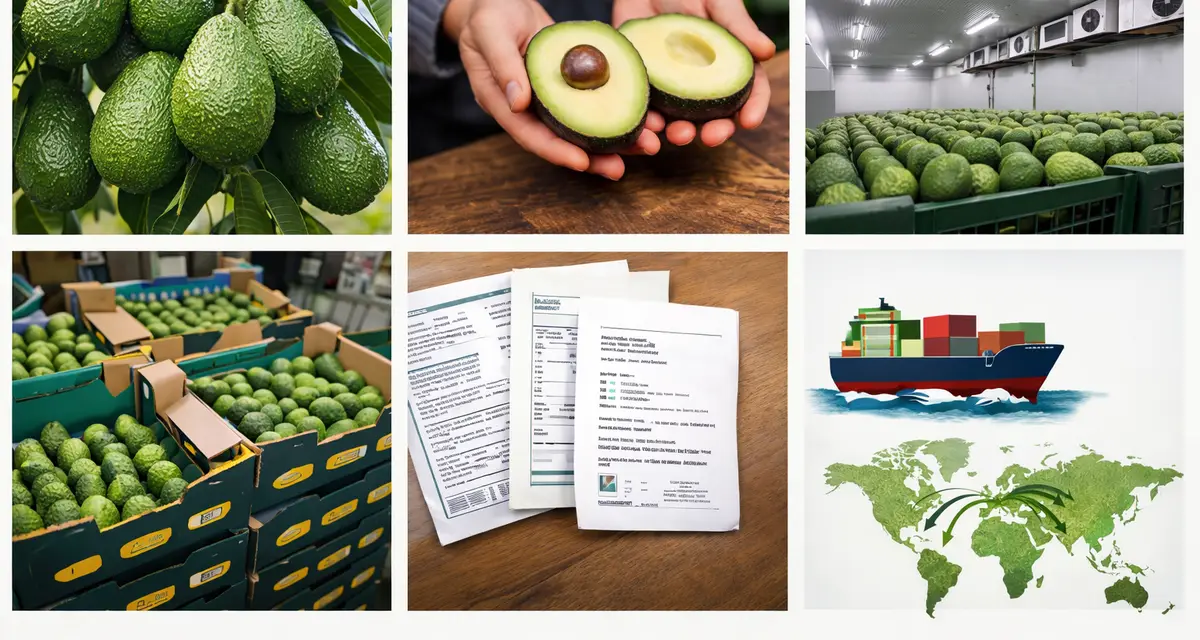
Few documents matter more to an avocado export shipment than the phytosanitary certificate, and few institutions matter more to Kenya’s horticultural export industry than the agency that issues it. Understanding what KEPHIS does, and what its certificate actually verifies, is essential for anyone involved in moving avocados out of Kenya.
What Is KEPHIS?
KEPHIS, the Kenya Plant Health Inspectorate Service, is Kenya’s national plant health authority. Its mandate covers plant health inspection, certification and quarantine control across Kenyan agriculture, with a particular role in horticultural exports such as avocados, where compliance with international plant health requirements is a precondition for market access. Any avocado consignment leaving Kenya for export needs to pass through KEPHIS’s inspection and certification process.
What a Phytosanitary Certificate Confirms
A phytosanitary certificate is an official document confirming that a specific consignment has been inspected and found to meet the plant health requirements of the destination country — most importantly, that it is free of regulated pests and diseases. This is not a generic quality certificate; it speaks specifically to plant health risk, which is a distinct concern from fruit grading or food safety standards such as GLOBALG.A.P. A shipment can be high quality and still fail to meet phytosanitary requirements if it carries evidence of a regulated pest, which is why this inspection step cannot be skipped or substituted.
Why Destination Countries Require It
Importing countries require phytosanitary certification because agricultural imports carry a real risk of introducing pests or diseases that do not currently exist in the destination country’s ecosystem, or that exist there only in controlled forms. A pest or pathogen that arrives on imported fruit can spread well beyond the consignment itself, threatening local agriculture and the environment. The phytosanitary certificate is the destination country’s primary mechanism for managing this risk, and it is enforced consistently across nearly all horticultural import markets, from Europe to the Middle East to Asia.
How the Certification Process Fits into Export Timing
Because phytosanitary inspection happens close to the point of shipment, it sits near the end of the export process — after packhouse processing, grading and packaging are complete, and the consignment is ready to move. Exporters need to plan for this inspection step within their shipment timeline, since a consignment cannot be exported without a valid certificate, regardless of how far along the rest of the logistics chain is. This is one of the reasons reliable export documentation and compliance management matters — a missed or delayed inspection can hold up an entire shipment.
KEPHIS Certification and International Plant Protection Standards
KEPHIS’s phytosanitary certification work operates within the broader framework of international plant protection standards that most trading countries recognise and apply consistently. This shared framework is part of why a KEPHIS-issued certificate is accepted by destination customs authorities around the world — it follows a format and set of assurances that international plant health regulation generally expects. Our guide on IPPC compliance for avocado export covers this international dimension in more detail.
A phytosanitary certificate is consignment-specific — it applies to the particular shipment inspected, not to an exporter or farm in general, which is why every new shipment requires its own inspection and certificate.
Why This Matters for Exporters and Buyers
For exporters, KEPHIS certification is a non-negotiable step that has to be built into every shipment plan. For buyers, the certificate provides assurance that the produce they are importing meets the plant health standards their own country requires, protecting them from the customs delays, rejections or destruction orders that can follow a non-compliant shipment. Together, this makes the phytosanitary certificate one of the few documents in the entire avocado export documentation checklist that no shipment can do without.