The European Union is one of the largest and most established markets for imported avocados, and it is also one of the most structured in terms of what it expects from suppliers before fruit is allowed to enter. For Kenyan exporters and the European buyers who source from them, understanding the broad categories of EU import requirements is essential groundwork before any commercial relationship begins.
Phytosanitary Certification
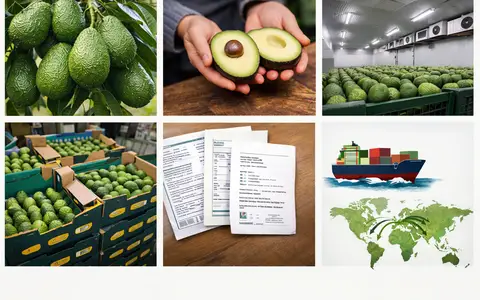
Like most major produce-importing regions, the EU requires phytosanitary certification for avocado consignments entering its member states. A phytosanitary certificate confirms that the consignment has been inspected by the exporting country’s plant protection authority and is free from pests and diseases of quarantine concern. For Kenyan exports, this certification is issued by KEPHIS, and it is one of the non-negotiable documents that must accompany every shipment.
Food Safety and Maximum Residue Level Standards
The EU maintains food safety standards that include maximum residue levels (MRLs) — limits on the amount of pesticide residue permitted on imported produce. These standards exist to protect consumer health and are applied consistently across all EU member states, regardless of which country the produce originates from. Exporters supplying the EU market need to ensure their farming and post-harvest practices keep residue levels within the limits set for the destination market, which generally means working with farms that follow controlled, well-documented spray programmes and good agricultural practices.
Because residue limits and approved substances can vary by product and are subject to periodic update, exporters and buyers should always confirm current requirements directly with relevant regulatory sources rather than relying on fixed figures — this guide intentionally avoids quoting specific MRL numbers, since they are subject to change and vary by case.
Certification Expectations: GLOBALG.A.P and Equivalents
Beyond the regulatory minimum, most commercial buyers in the EU — particularly large retailers and distributors — expect suppliers to hold recognised certification demonstrating good agricultural and food safety practices. GLOBALG.A.P certification is the most widely recognised standard in this category and has become close to a baseline expectation for exporters wanting access to mainstream European retail channels. Some buyers may also accept other internationally recognised equivalent certification schemes, but GLOBALG.A.P remains the most commonly requested standard across the EU produce trade.
The Netherlands as a Distribution Hub
A distinctive feature of the EU produce trade is the role played by the Netherlands. Dutch ports and associated logistics infrastructure function as a major entry and distribution point for fresh produce headed across the European Union, including avocados. Rather than each EU country importing directly and separately, a significant share of avocado volumes arrives in the Netherlands first and is then distributed onward to buyers and retailers throughout Europe.
This matters for exporters because:
- A buyer based in the Netherlands may be sourcing on behalf of, or distributing to, retailers across multiple EU countries, not just the Dutch domestic market.
- Logistics and ripening infrastructure in the Netherlands is well developed for handling avocados specifically, given the volumes that pass through.
- Understanding this hub structure helps exporters interpret why a single buyer relationship in Rotterdam or Amsterdam can represent access to a much wider European market.
A Practical Summary for Exporters
| Requirement category | What it generally covers |
|---|---|
| Phytosanitary certification | Plant health inspection and certification confirming the consignment is free of regulated pests and diseases |
| Food safety / MRL compliance | Pesticide residue levels kept within EU-permitted limits for the product |
| Certification (GLOBALG.A.P or equivalent) | Documented good agricultural practice, traceability and food safety management at farm level |
| Distribution structure | Significant volumes routed through hubs such as the Netherlands before reaching final EU markets |
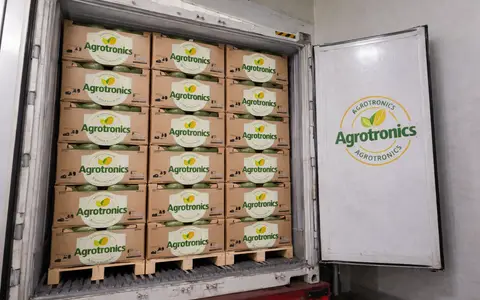
For Kenyan exporters, meeting these categories of requirement is part of the same compliance foundation already needed for exporting avocados generally — certification, documentation and consistent quality control. Agrotronics Horticulture’s certifications, including GLOBALG.A.P, KEPHIS and AFA, are maintained with EU and other international market requirements in mind, supporting consistent access to Europe as an export destination.
Exporters and buyers should always treat specific regulatory figures — MRL thresholds, certification scheme details, and customs procedures — as subject to change, and confirm current requirements with the relevant EU authorities or a qualified compliance partner before finalising a shipment.