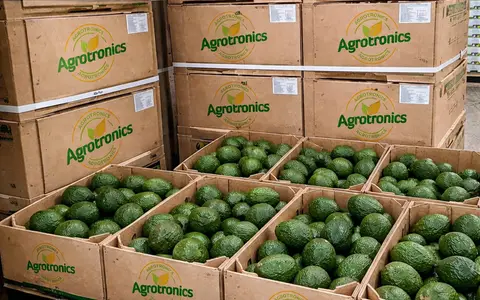
Avocados are picked while still firm and unripe specifically so they can survive the journey from farm to overseas buyer, but that strategy only works if the fruit is kept cool and stable along the way. Avocado cold chain management is the set of practices that keeps temperature consistent from the moment fruit leaves the packhouse until it arrives at its destination — and it is one of the most important factors separating a successful export consignment from a rejected one.
Why Temperature Control Matters at Every Stage
Avocados are a living, breathing product. Even after harvest, the fruit continues to ripen, and the rate of that ripening is driven almost entirely by temperature. Keep the fruit cool and consistent, and ripening slows to a predictable pace that matches the shipping timeline. Let the temperature rise and fall unpredictably, and the fruit ripens unevenly, softens too early, or becomes vulnerable to decay before it ever reaches a supermarket shelf.
This is why cold chain discipline has to apply at every stage of the journey, not just during the long-haul transport leg:
- Packhouse — once avocados are washed, graded and packed, they need to move into a cooled environment quickly rather than sitting at ambient temperature.
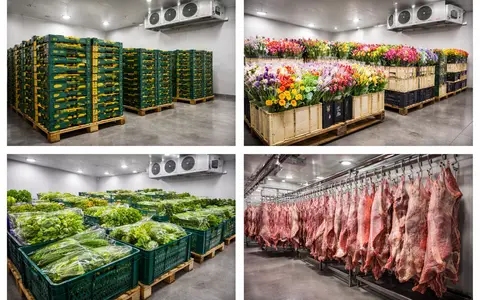
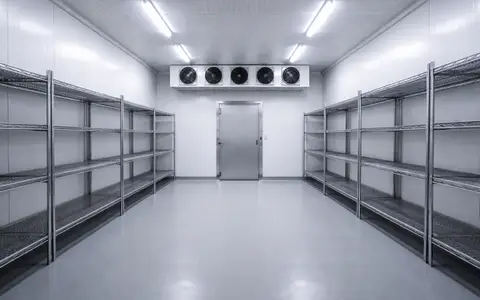
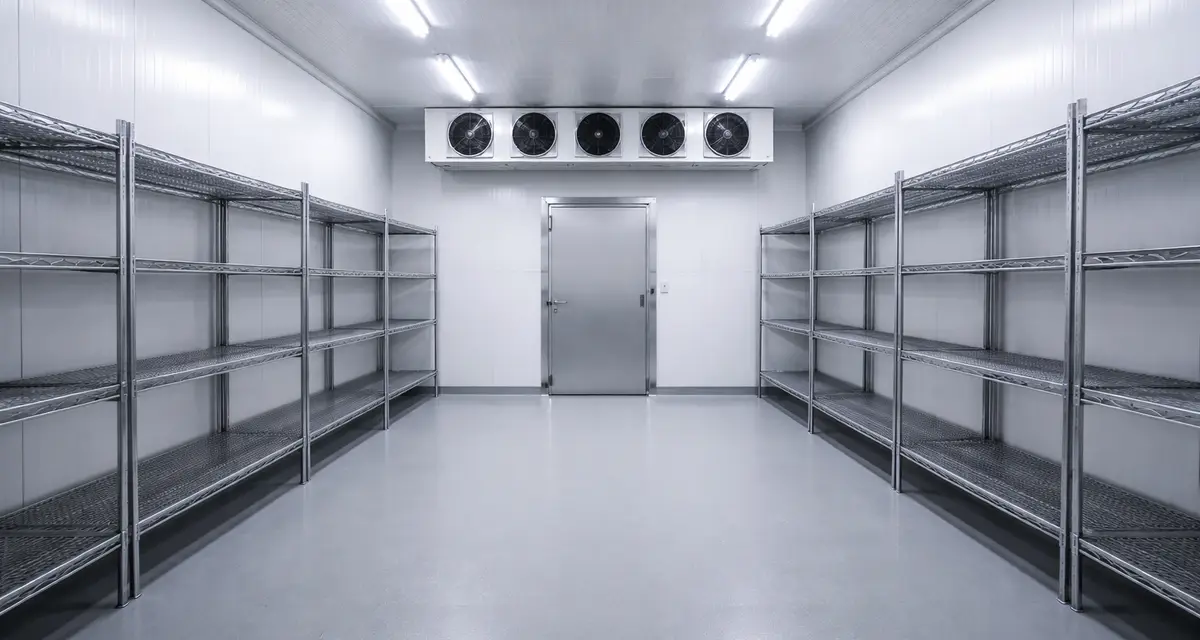
- Cold storage — fruit awaiting consolidation, documentation, or a transport slot needs proper cold room storage rather than a delay in a warm holding area.
- Transport — whether by refrigerated truck to the port or directly to the airport, the vehicle’s cooling system has to function continuously, not just at departure.
- Port or airport handling — the gap between offloading from a cold truck and loading onto a vessel or aircraft is a common weak point where fruit can sit in ambient heat.
- Destination arrival — once landed, fruit needs to move into the buyer’s own cold storage promptly to preserve the work done earlier in the chain.
The Risks of a Broken Cold Chain
A cold chain does not need to fail completely to cause damage — even a short gap can have lasting consequences, because avocados cannot be “re-cooled” back to where they would have been if the temperature had never risen.
| Risk | Effect on the consignment |
|---|---|
| Accelerated ripening | Fruit arrives softer than expected, shortening the buyer’s remaining shelf life and selling window |
| Uneven ripening | Some fruit in a carton ripens faster than the rest, creating inconsistency buyers notice immediately |
| Spoilage and decay | Warm spells during transit encourage rot and internal breakdown, especially over long sea freight voyages |
| Quality rejection | Buyers inspecting on arrival may reject or discount a consignment that shows signs of temperature abuse |
These risks are precisely why cold chain management is treated as a core discipline in the avocado export process, not an afterthought handled only once the fruit reaches the port.
How Exporters Maintain Cold Chain Continuity
Maintaining an unbroken cold chain comes down to minimizing the number of handoffs and the time spent at each one. Agrotronics Horticulture operates a packhouse and cold storage facility at Freight Road, JKIA, Nairobi — placing our cooling infrastructure directly alongside the cargo terminal that handles much of Kenya’s air-freighted produce. That proximity matters because the riskiest moments in any cold chain tend to be the transitions between facilities, not the time spent inside a single cold room.
Good cold chain management generally involves:
- Moving fruit from packhouse to cold storage immediately after packaging, rather than allowing it to sit at ambient temperature.
- Using cold storage that is genuinely temperature-controlled and monitored, not simply a cool room.
- Coordinating transport schedules so refrigerated trucks are ready when consignments are, minimizing dwell time.
- Choosing facilities close to the point of departure — whether that’s JKIA for air freight or the port of Mombasa for sea freight — to shorten the most exposed leg of the journey.
- Maintaining clear handover procedures so responsibility for temperature control is never ambiguous between packhouse, transporter and carrier.
Cold chain failures are rarely caused by one dramatic event. More often, they are the sum of small delays — an extra hour at ambient temperature here, a slow handover there — that add up to a fruit that ripens faster than the buyer expected.
For exporters and buyers alike, understanding cold chain management is essential context for evaluating sea freight versus air freight options, since each transport mode carries different cold chain demands and risk profiles. A well-managed cold chain is ultimately what allows Kenyan avocados to travel thousands of kilometres and still arrive in saleable condition.