Choosing between sea freight and air freight is one of the most consequential decisions in avocado export logistics, directly affecting cost, transit time and how much shelf life the fruit has left by the time it reaches the buyer. The right choice generally comes down to the avocado variety being shipped and how urgently the consignment needs to arrive.
How Sea Freight Works for Avocado Export
Sea freight moves avocados in refrigerated shipping containers from Kenyan ports, typically Mombasa, to destination ports in Europe, the Middle East or further afield. Transit by sea takes considerably longer than air transport — often several weeks depending on the route — but it is the more cost-effective option per kilogram shipped. This makes it well suited to Hass avocados, which have a longer natural shelf life and can be harvested at a maturity stage that allows them to ripen gradually during the voyage, arriving in good condition for retail.
How Air Freight Works for Avocado Export
Air freight moves consignments out of Kenya via Jomo Kenyatta International Airport (JKIA), reaching international markets within hours rather than weeks. This speed comes at a higher cost per kilogram than sea freight, but it is the preferred option when shelf life is short or when a buyer needs fruit to arrive quickly to meet a specific market window. Fuerte avocados, which generally have a shorter shelf life than Hass, are more commonly associated with air freight for this reason.
Comparing Sea Freight and Air Freight
| Factor | Sea Freight | Air Freight |
|---|---|---|
| Typical avocado variety | Hass | Fuerte |
| Cost per kilogram | Lower | Higher |
| Transit time | Longer (weeks) | Much shorter (hours/days) |
| Shelf life required | Longer shelf life tolerant of slow transit | Suited to shorter shelf life fruit |
| Common departure point | Port of Mombasa | JKIA, Nairobi |
| Best suited for | Bulk shipments to distant markets such as Europe | Time-sensitive shipments or shorter shelf-life fruit |
| Cold chain dependency | High — relies on refrigerated containers throughout the voyage | High — but transit window is much shorter |
Why Hass Avocados Travel Mostly by Sea
Hass is the dominant variety in Kenya’s avocado export industry, prized partly because its thicker skin and longer shelf life make it resilient enough to handle extended sea transit without significant quality loss. This resilience is precisely why sea freight has become the backbone of bulk Hass exports to markets like Europe — it allows exporters to move large volumes cost-effectively, provided the cold chain is maintained without interruption from packhouse to port to destination.
Why Fuerte Avocados Often Travel by Air
Fuerte avocados, with their thinner skin and shorter shelf life, are less forgiving of long transit times. Air freight compresses the journey dramatically, helping preserve fruit quality and reducing the risk of spoilage before the consignment reaches the buyer. While the cost per kilogram is higher, this is often justified for markets or buyers willing to pay a premium for freshness and speed, or for shipments where the shelf-life math simply does not work for sea transport.
Choosing the Right Method
The decision between sea and air freight is rarely about cost alone — shelf life, destination market, buyer requirements and seasonal timing all factor into the choice.
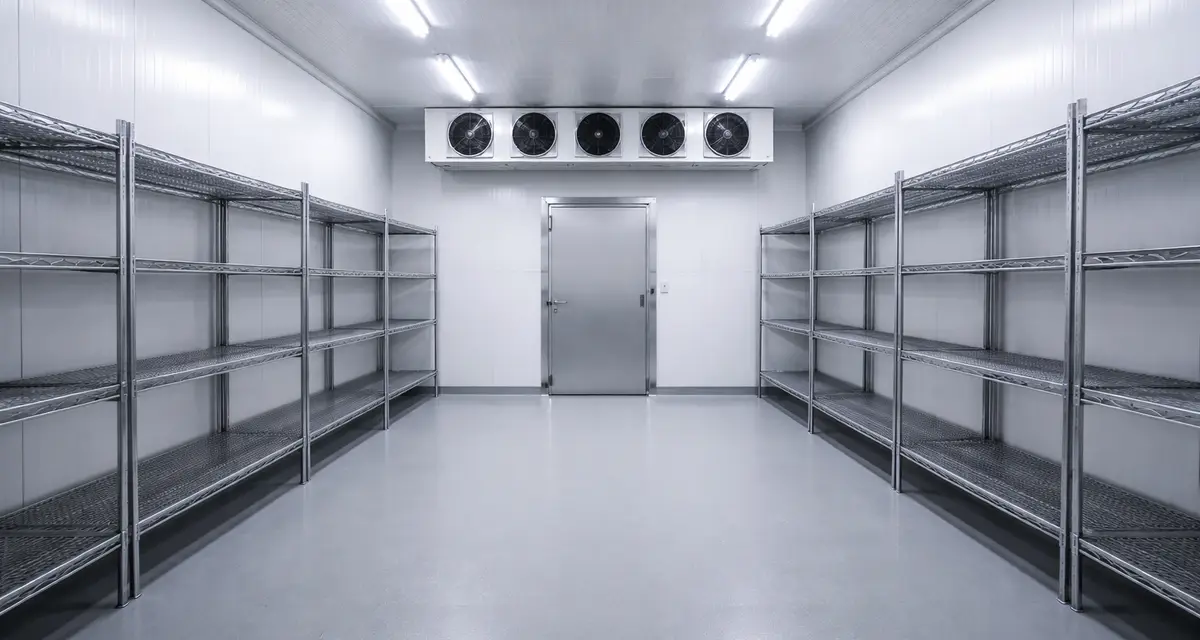
In practice, many exporters use both methods depending on the variety being shipped and the specific order. Hass exports bound for distant, high-volume markets generally favour sea freight, while Fuerte exports or smaller, time-sensitive consignments are more likely to move by air. Either way, the choice depends heavily on reliable cold chain management and access to facilities like cold storage near JKIA that bridge the gap between packhouse and departure, regardless of which freight method is ultimately used.