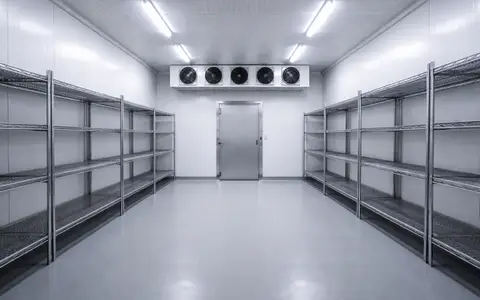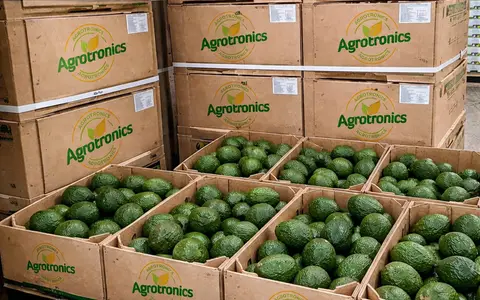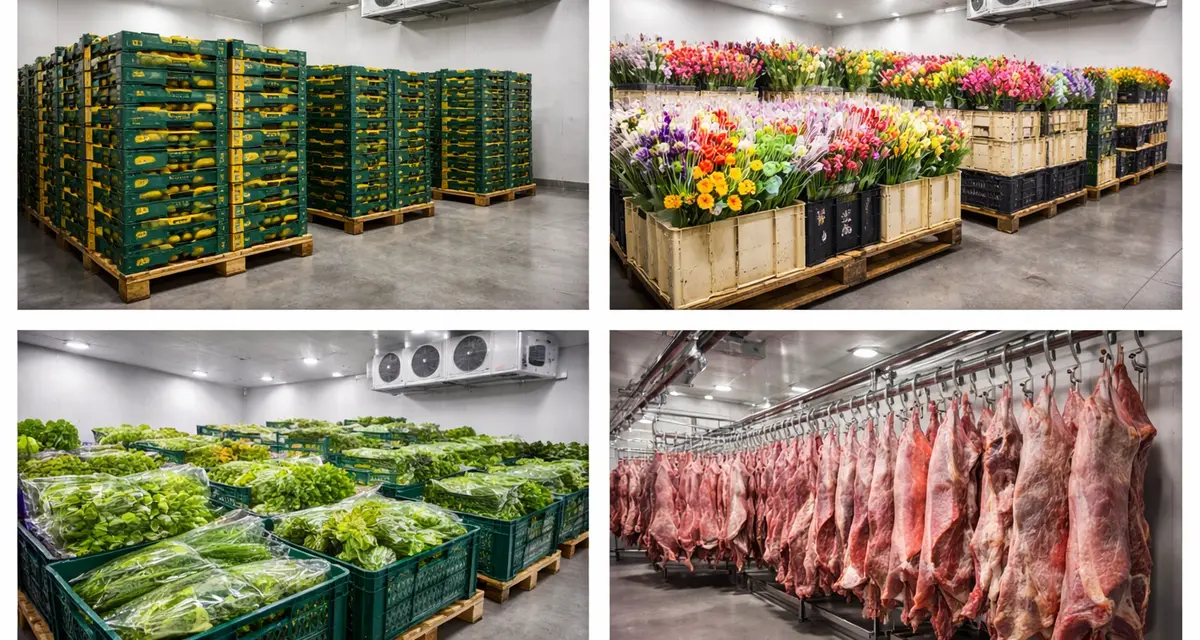
For exporters of fresh produce, the single biggest threat to quality is rarely the long-haul flight itself — it is the handling gap before the product ever reaches the aircraft. Cold storage located at or near Jomo Kenyatta International Airport (JKIA) exists to close that gap, and understanding why it matters is useful for any exporter shipping perishable goods out of Nairobi, not just avocado exporters.
The Problem Cold Storage Near JKIA Solves
Fresh produce destined for air freight typically passes through several stages between the packhouse and the aircraft: final packing, documentation checks, consolidation with other consignments, and the physical transfer to the cargo terminal. Every one of those stages takes time, and unless the product is held in proper cold storage throughout, it spends that time warming up.
The closer cold storage is to the airport, the shorter that exposure window becomes. A facility based on JKIA Freight Road, for instance, can move produce from cold room to cargo terminal in minutes rather than the hour or more that might be needed from a facility on the other side of the city. Agrotronics Horticulture’s cold storage is located on Freight Road, JKIA, specifically to minimize this handling gap.
Why This Matters Beyond Avocados
While avocados are a major Kenyan export crop, the case for JKIA-adjacent cold storage applies just as strongly to other fresh produce categories:
- Mangoes, berries and citrus — like avocados, these fruits continue ripening after harvest and are sensitive to temperature swings during handling.
- Fresh cut flowers — roses, carnations and other export blooms can wilt or lose vase life quickly if exposed to heat between cold storage and loading.
- Herbs — coriander, basil, mint and similar herbs are highly perishable and lose quality fast outside controlled conditions.
- Specialty mushrooms — these require stable humidity as well as cooling, making consistent storage conditions especially important.
Because JKIA handles a large share of Kenya’s air-freighted horticultural exports, cold storage in this corridor serves a wide cross-section of exporters working across these product categories, not a single commodity.
Reduced Handling Time, Reduced Losses
Every additional transfer point in a supply chain is an opportunity for produce to sit unrefrigerated, even briefly. Locating cold storage within the JKIA logistics zone reduces the number of those transfer points:
| Without JKIA-adjacent storage | With JKIA-adjacent storage |
|---|---|
| Produce travels across the city from a distant cold store to the airport | Produce moves a short distance within the same logistics corridor |
| Longer ambient-temperature exposure during road transport | Minimal time outside controlled conditions |
| Greater dependency on traffic and transport timing | Less exposure to delays affecting product quality |
| Higher risk of accumulated post-harvest losses | Lower risk of losses from temperature abuse |
This is the same logic behind cold chain management more broadly: the cold chain is only as strong as its weakest link, and the transfer between storage and transport is consistently one of the weakest links in any export operation.
Flexible Storage for Exporters of All Sizes
Not every exporter needs — or can commit to — a long-term storage contract. Cold storage near JKIA is typically offered on flexible terms:
- Short-term storage, suited to exporters awaiting flight scheduling, consolidation with other shipments, or final documentation before dispatch.
- Long-term leases, suited to businesses with consistent, ongoing export volumes who need reliable monthly or seasonal capacity.
Agrotronics Horticulture offers both options from our JKIA-based cold storage facility, alongside office space at the same Freight Road location for exporters, freight forwarders and logistics companies who want their administrative base close to their cold storage and cargo operations.
For any exporter moving perishable goods through Nairobi, proximity between cold storage and the aircraft is not a convenience — it is one of the most practical, controllable ways to protect product quality before it leaves Kenyan soil.