Not every avocado that leaves a Kenyan packhouse is packed the same way. While much of the trade moves in generic export cartons, a significant share of retail buyers specifically request private label packaging — and understanding why reveals a lot about how the modern fresh produce retail business actually works.
What Private Label Packaging Means
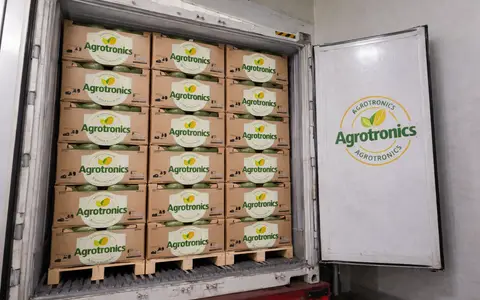
Private label packaging — sometimes called white-label packaging — means the exporter packs fruit into cartons carrying the buyer’s own brand identity, rather than the exporter’s generic carton design. In practice, this means the carton, and sometimes individual fruit stickers, are printed with the retailer’s own logo, colors and brand name, so that when the product reaches the shelf, it appears to the end consumer as that retailer’s own brand of avocado — even though the exporter grew, processed and packed it.
This is distinct from standard generic export packaging, where the carton is branded with the exporter’s own identity or carries only neutral, functional labelling such as variety, grade, size count and origin information.
Why Retail Buyers Request Private Label Packaging
Retailers, particularly larger supermarket chains, request private label packaging for several interconnected reasons:
- Brand building — a retailer’s own brand on fresh produce reinforces their identity every time a customer picks up the product, rather than promoting a third-party exporter’s name
- Consistency across suppliers — a retailer sourcing from multiple countries or exporters can present a uniform brand look on shelf regardless of which supplier packed a given batch
- Perceived quality control — consumers often associate a retailer’s own brand with a guarantee of quality, since the retailer’s reputation is directly attached to the product
- Differentiation — in competitive fresh produce categories, branded packaging helps a retailer stand out from competitors selling visually generic fruit
For exporters, being able to offer this service is a meaningful differentiator, since it allows a single packhouse to serve large retail accounts that specifically require their own branding as a condition of the purchase order.
How Private Label Packaging Works at the Packhouse
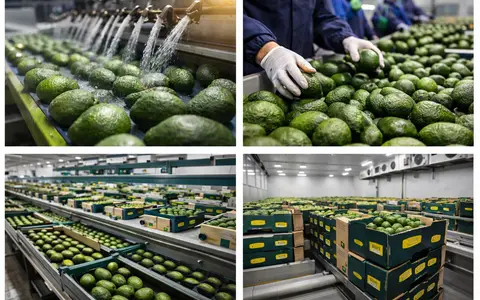
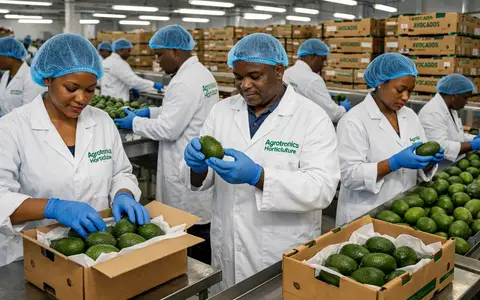
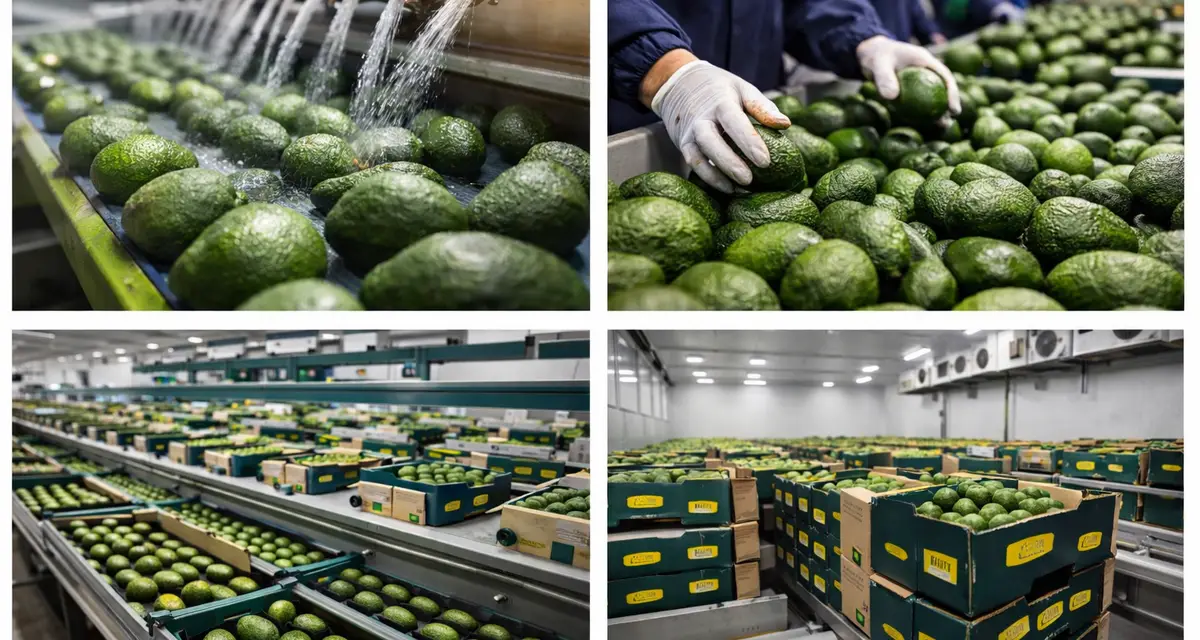
Private labelling is applied at the same point in the process where any export carton is filled — after fruit has been washed and graded to the buyer’s specification. Rather than using a generic carton, the packing line uses carton stock pre-printed with, or fitted with, the buyer’s branding. Barcoding and traceability information are still applied in the same way as standard packaging, ensuring every private label carton can still be traced back to its source batch, grading run and processing date — brand customization does not come at the expense of traceability.
Agrotronics Horticulture’s Private Label Offering
Agrotronics Horticulture offers private labelling and branding on avocado export cartons for retail buyers who want their own brand on the shelf, in addition to standard generic export cartons. This sits alongside our standard 4kg and 10kg carton formats and fully customised carton sizing, giving buyers flexibility to choose generic or branded packaging depending on their retail strategy. Full detail on our packaging capabilities, including barcoding and traceability, is available on our avocado packaging service page.
Private Label as Part of the Wider Packhouse Process
Private label packaging is only the final dressing on a process that depends entirely on what happens earlier in the packhouse — consistent washing, accurate grading, and correct sizing. A retailer’s brand on the carton is only as credible as the fruit quality inside it, which is why private label requests typically come from buyers who have already vetted an exporter’s broader quality processes, not just their printing capability.
For exporters serving international retail buyers, the ability to offer private label packaging — without compromising on traceability or quality control — is often a deciding factor in winning and retaining larger retail accounts.