Walk through any produce wholesaler’s order sheet and you will see avocados referenced not just by variety, but by a size code — a number that, at first glance, looks cryptic but is actually one of the simplest and most useful concepts in the export trade. Understanding how size codes and grading charts work explains why this seemingly small detail matters so much to retailers and exporters alike.
What Avocado Size Codes Actually Represent
A size code is shorthand for how many avocados of a given size fit into one standard export carton. This is sometimes called a “count” system. If a carton is described as a count of 20 (often written as “20s”), it means exactly 20 avocados — sorted into a fairly tight size and weight range — fill that carton. A count of 16 means fewer, larger avocados fill the same carton, while a count of 24 or higher means more, smaller avocados fill it.
This count-per-carton approach is standard practice across the global produce trade, not just for avocados — it shows up with citrus, mangoes and many other fruits sold by box rather than by loose weight. The specific count numbers used as size bands differ across producing countries, carton weights and retail markets, so a “size chart” is really a translation table between a fruit’s physical size and the number of pieces that will fit a given standard carton.
Why Size Grading Happens on a Dedicated Line
After avocados are washed, they pass through a dedicated grading stage where automated equipment sorts fruit by size and weight before packaging. This sorting step exists because a single tree, or even a single harvest, produces avocados across a wide natural size range — and an unsorted box of mixed sizes is far less useful to a retail buyer than a box where every fruit falls within a known, narrow band.
Grading machines typically weigh and measure each avocado individually, directing it down a specific lane that corresponds to its size band. From there, fruit moves to packaging, where it is packed into a carton sized and counted to match a specific buyer specification.
Why Retailers Care About Consistent Counts
For a retail buyer, a consistent count per carton is not a cosmetic preference — it directly affects how they price, display and sell the fruit. A few reasons consistent sizing and counts matter:
| Reason | Why it matters to the buyer |
|---|---|
| Pricing per unit | Retailers often price avocados per piece rather than by weight, so count consistency keeps unit pricing predictable |
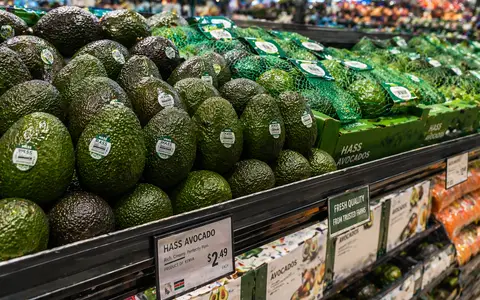
| Shelf presentation | Uniform fruit size looks neater and more appealing in a retail display than a visibly mixed batch |
| Ripening uniformity | Fruit of similar size and maturity tends to ripen at a more predictable, even rate |
| Order planning | A buyer ordering a known count per carton can forecast exactly how many units they are receiving per shipment |
A carton that does not match its declared count or size band is a common reason for disputes, downgrades, or outright rejection at the destination market — which is part of why size grading is treated as a critical control point rather than a minor sorting task.
Size Grading Is Not a Fixed, Universal Chart
It is worth being clear-eyed about one thing: there is no single universal avocado size chart used identically by every exporter and every market worldwide. Carton weights differ (commonly 4kg and 10kg formats are widely used in the trade — see our guide to avocado export carton sizes), and the specific count bands considered standard can shift depending on the destination retailer’s own specifications. What stays constant across the industry is the underlying logic: sort fruit into consistent size bands, and pack a known, fixed number of pieces into each carton so that every box leaving the packhouse matches what the buyer ordered.
The Practical Takeaway
Size codes and grading charts are the produce trade’s way of turning a naturally variable product — fruit grown on a tree — into a standardized, orderable item. For exporters, getting size grading right is inseparable from getting overall grading standards right, since a buyer’s purchase order will typically specify both a quality grade and a size count, and a carton needs to satisfy both to be accepted without dispute at destination.