A rejected or downgraded consignment is one of the most costly outcomes in avocado export — the fruit has already absorbed the cost of harvesting, packhouse processing, freight and cold storage by the time a problem surfaces at destination. Understanding the most common defects that trigger rejection helps explain why exporters invest so heavily in quality control at every stage before fruit ever leaves the country.
Physical Defects
Physical damage is one of the most visible and most common reasons for rejection or downgrade. This category covers:
- Cuts and punctures from rough handling during harvest or transport
- Bruising, often caused by impact during picking, transport in poorly cushioned crates, or rough handling on the packing line
- Pest and insect damage, including surface scarring or feeding marks left by field pests
- Skin abrasion, where fruit rubs against other fruit or packaging materials in transit
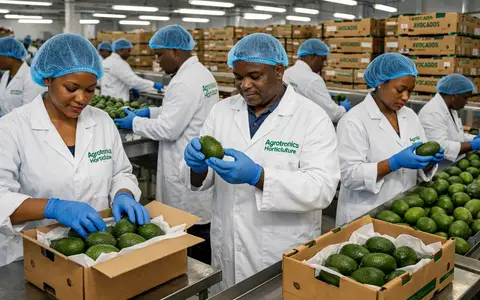
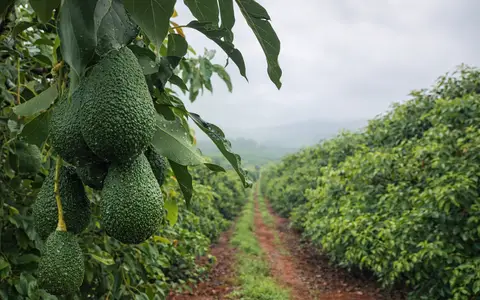
Most physical defects originate well before the packhouse — in the field, during picking, or during transport from farm to packhouse — which is why careful harvest handling is treated as seriously as any later processing step.
Maturity Problems
Avocados that are harvested either too early or too late create problems that are not always visible until the fruit is cut open or allowed to ripen. Underripe fruit, harvested below an appropriate dry matter threshold, often fails to soften properly or develops poor texture and flavor. Overmature fruit, on the other hand, can ripen too quickly in transit, arriving at destination already past its ideal eating window, or develop internal disorders such as flesh discoloration. Because maturity issues are frequently invisible from the outside, they are one of the more frustrating categories of rejection — the fruit can look perfectly acceptable in the carton and still fail once a buyer cuts it open.
Inconsistent Sizing
Export buyers order fruit against a specific size or count specification per carton (see our explainer on avocado size grading). A carton containing a noticeably mixed range of sizes, or a count that does not match the declared specification, can be downgraded or rejected even if every individual avocado in the box is otherwise sound. Consistent grading on a dedicated sizing line is the main control point used to prevent this.
Latex Staining
Avocado latex is a milky sap that seeps from the cut stem at harvest. If it is not properly washed off, latex can run down the skin and leave dark staining or blemishes that become more visible as the fruit ripens. Left untreated, latex residue is a common, preventable cause of cosmetic downgrades. This is precisely why washing with food-safe water is treated as a critical early packhouse step rather than a cosmetic afterthought — catching and removing latex before it stains the skin protects fruit that would otherwise be sound.
Poor Cold Chain Handling
Even a perfectly graded, perfectly packed carton can fail at destination if the cold chain breaks down somewhere between the packhouse and the final buyer. Temperature fluctuations during transit or storage can cause:
- Accelerated, uneven ripening
- Chilling injury, where fruit held at incorrect (often too low) temperatures develops internal browning or skin pitting
- Increased susceptibility to decay and fungal growth
- General loss of shelf life by the time the fruit reaches retail
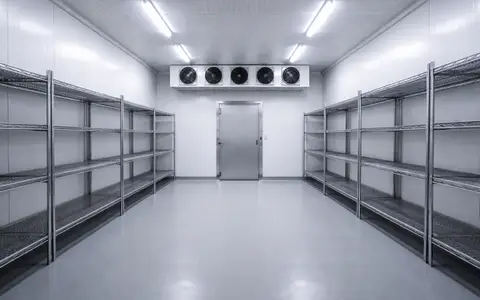
Because avocados are highly perishable, cold chain failures are particularly damaging — they can undo all the quality control work done earlier in the supply chain.
Documentation and Compliance Issues
Not every rejection is about the physical fruit. A consignment can be held, delayed, or refused entry entirely if its paperwork does not match requirements — missing or incorrect phytosanitary certificates, incomplete traceability information, or non-compliance with a destination market’s import conditions. See our export documentation checklist for the documents typically required before a consignment can clear customs at destination.
Reducing Rejection Risk
Most rejection categories above share a common thread: they are far cheaper to catch before export than after. Careful harvest handling, accurate pre-harvest maturity testing, thorough washing, consistent grading, reliable cold chain management, and complete documentation each address a different point of failure — which is why a properly run packhouse process treats every stage as a checkpoint rather than a formality.