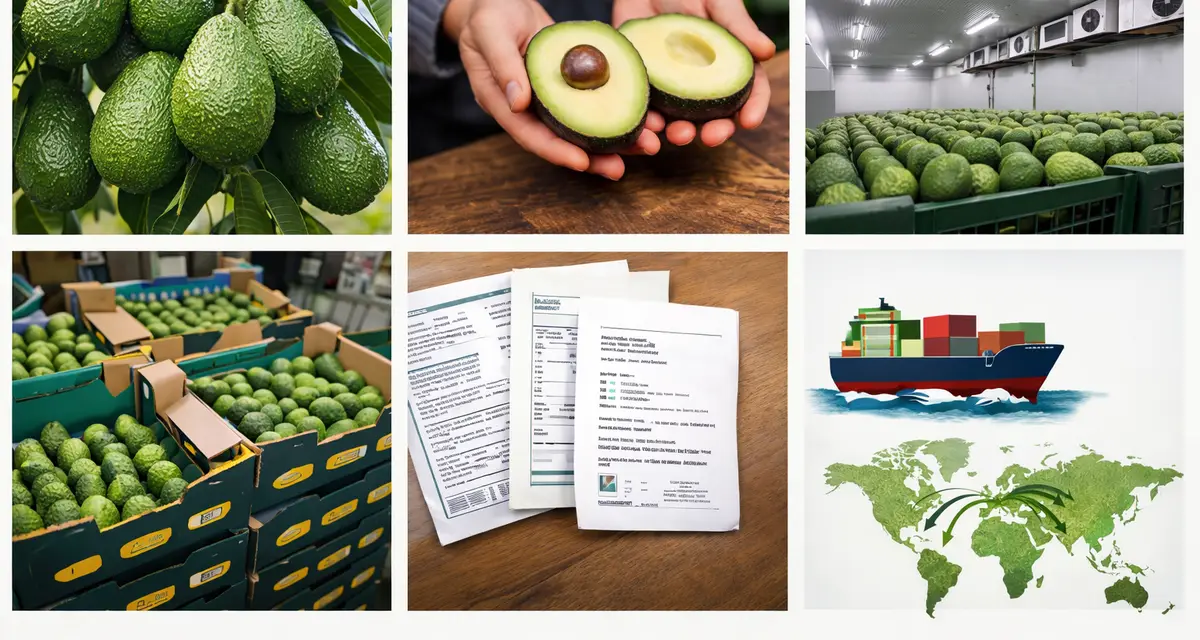
While Europe remains the traditional destination for most Kenyan avocado volumes, the Middle East has emerged as an increasingly important market in its own right. Countries including the United Arab Emirates, Saudi Arabia and Qatar offer Kenyan exporters a combination of shorter shipping distances and rising consumer demand that makes the region worth understanding in detail.
Why the Middle East Is a Growing Market
A few structural factors make the Middle East attractive for Kenyan avocado exporters:
- Shorter transit times. Flights and sea routes from Kenya to Gulf destinations cover a much shorter distance than routes to Europe, which can translate into fresher fruit on arrival and more flexibility in transport mode.
- Rising consumer demand. Avocado consumption has been growing across Gulf states as consumer diets diversify and awareness of avocados as a fresh, healthy product increases, supported by the region’s large expatriate population and growing retail and food service sectors.
- Strategic geography. The UAE in particular, with hubs such as Dubai, functions as both a consumer market and a re-export and distribution point for produce moving onward to other parts of the Gulf and beyond.
This combination of proximity and demand growth makes the Middle East a natural complement to — not a replacement for — established markets like Europe, and is one of the reasons it features among the regions covered in our broader look at export markets for Kenyan avocados.
Transit Times: A Practical Advantage
Compared to the long sea or air routes required to reach European ports and airports, Gulf destinations are considerably closer to Kenya. This shorter distance generally means:
- Air freight transit times to the Gulf are shorter than to most European destinations, which can reduce the time fruit spends in transit and the associated cold chain risk.
- Sea freight options to the region can also be more time-efficient than longer European sea routes, depending on the specific port pairing and shipping line.
Shorter transit does not remove the need for careful cold chain management — avocados are still a perishable product regardless of distance — but it does reduce the cumulative exposure time during which quality risks can accumulate.
General Import Documentation Expectations
While each Gulf country administers its own customs and food safety procedures, the general categories of documentation expected for fresh produce imports — including avocados — into markets such as the UAE, Saudi Arabia and Qatar typically include:
| Document | Purpose |
|---|---|
| Phytosanitary certificate | Confirms the consignment has been inspected and meets plant health requirements, issued by KEPHIS for Kenyan exports |
| Certificate of origin | Verifies the fruit was grown and exported from Kenya, often required for customs clearance and any applicable trade agreements |
| Commercial invoice and packing list | Standard trade documentation detailing the consignment’s value, quantity and packaging specifications |
| Food safety compliance | General compliance with the destination country’s food import and safety regulations applicable to fresh fruit |
Exporters should always confirm the exact, current documentation requirements with their buyer or a customs broker in the destination country, since procedures can vary between countries and are subject to change. Our export documentation guide covers the core paperwork involved in Kenyan avocado exports more broadly.
Food Safety and Halal Considerations
Food safety expectations in Gulf markets generally mirror international norms for fresh produce — proper hygiene, traceability, and freedom from contamination. Halal certification, which is significant for processed foods and animal-derived products in many of these markets, is not typically a standard requirement for unprocessed fresh fruit such as avocados, though exporters working with specific buyers or retail chains should always confirm any product-specific requirements directly rather than assuming a blanket rule applies.
A Market Worth Building Toward
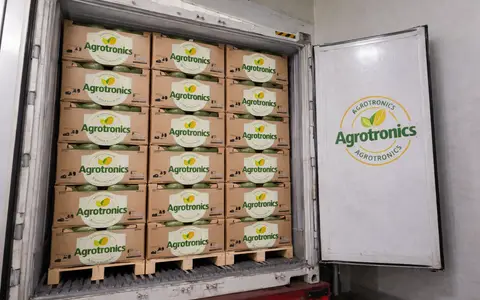
For Kenyan exporters already meeting the certification and quality standards required for GLOBALG.A.P-aligned production and export-grade packhouse processing, the Middle East represents a natural extension of an existing export capability rather than a market requiring an entirely different operating model. Agrotronics Horticulture exports to the Middle East alongside Europe, Asia and the Americas, drawing on the same packhouse, cold chain and documentation infrastructure used across all our destination markets.
As with any export market, exporters should treat country-specific regulatory detail as something to confirm directly and currently with the relevant authority or buyer, rather than relying on general guidance alone.